Dr. Mark Nanyingi
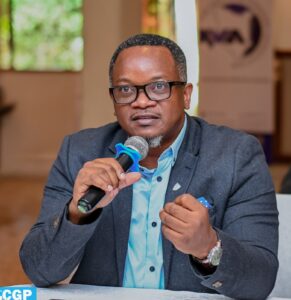
Dr. Mark Nanyingi is the Technical Director for Global Health Security at the Center for Global Health and Pandemic Intelligence (CGP). He is an infectious disease epidemiologist and public health expert with a PhD in Epidemiology, an MPH, an MSc, and a Bachelor of Veterinary Medicine, complemented by Postdoctoral advanced training in infectious disease modelling, surveillance systems, and health security governance. He is an adjunct professor of Epidemiology and Global Health at the Center for Global Health Equity, University of Michigan, and the American University (USA), he focuses on advancing global health equity by strengthening epidemic preparedness and response systems through integrated One Health surveillance, epidemic intelligence, and data-driven decision-support tools. His expertise spans One Health surveillance integration, epidemic and pandemic intelligence, Artificial Intelligence, Spatio-temporal disease modelling, health security systems strengthening, and multisectoral coordination frameworks. He works at the interface of human-animal-environmental health to design and operationalize integrated surveillance systems, structured response decision-support tools, and capacity-building frameworks that strengthen evidence-informed emergency preparedness and response at national, regional, and global levels.
Dr. Shaleen Angwenyi
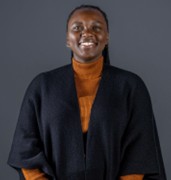
Dr. Shaleen Angwenyi is a wildlife veterinarian and wildlife health surveillance specialist holding a Bachelor of Veterinary Medicine from the University of Nairobi and a Master of Science in Global Wildlife Health and Conservation from the University of Bristol. She works with the Smithsonian’s Global Health Program serving as the Programme Lead for Wildlife Health Watch. In this capacity she leads efforts to strengthen community-based wildlife disease surveillance across Kenya through the integration of digital tools, ranger-led reporting systems, and epidemiological intelligence. With experience in field veterinary medicine, stakeholder engagement, and cross-sector collaboration, Dr. Angwenyi is particularly interested in advancing technology-driven, locally led innovations that enhance early detection and response to emerging diseases at the wildlife–livestock–human interface. Her work sits at the forefront of reimagining wildlife medicine in Africa — shifting the field from reactive response to data-driven, anticipatory systems that strengthen conservation, public health, and policy resilience. She also serves as the Chair of the Wildlife Disease Association Africa and Middle East Section, contributing to regional and global dialogue on wildlife disease and One Health.
Dr. Alice Kivinya Kithika
I am a veterinary surgeon at Petwell Veterinary Clinic with 38 years of experience, specializing in small animal care, mainly dogs and cats and also skilled in treating exotic pets. I graduated with a Bachelor of Veterinary Medicine in 1988 and am currently pursuing a Master’s in Veterinary Surgery at the University of Nairobi. My career focus is on companion animal medicine and surgery, pairing extensive clinical work with ongoing academic growth to ensure high-quality care and expertise.
Prof. David O. Kihurani
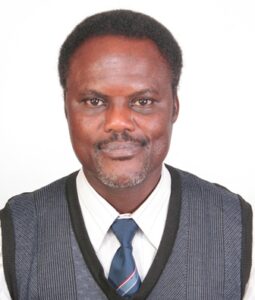
Prof. David O. Kihurani, a veterinarian, has PhD, MSc and Bachelor of Veterinary Medicine degrees from the University of Nairobi, Kenya. He began his career as an Assistant Lecturer in 1984 at the Clinical Studies Department, University of Nairobi, rising through the ranks to become an Associate Professor in 2004, a position he still holds. While there he has taught subjects in Clinical Veterinary Surgery to undergraduate and postgraduate students, as well as supervising degrees by the latter. He also has extensive clinical experience of over 40 years in large animal surgery (particularly cattle and horses) and equine medicine within the department. This experience has been extended to other institutions, including Del Monte Kenya Ltd. Company, Thika, where he has attended to the health and welfare of the horses for 34 years. In addition, he was appointed Consultant Clinical Veterinarian at the International Livestock Research Institute (ILRI) on various occasions from 1995 to December, 2006, to provide animal health care and perform experimental surgeries (e.g. carotid cannulations) in cattle for various research projects. He also performed Embryo Transfer (ET) services at ILRI to generate calves with specific genetic traits important for research in the disease East Coast Fever, as well as to propagate the N’dama cattle herd. This was following training at the National Embryo Transfer School, Senatobia, USA, in January, 2003. The ET services have also been used to produce high yielding Dairy cattle for different organizations and individuals countrywide. He has further trained many practitioners from Kenya, Uganda, Tanzania and Zambia in the theory and practice of ET. His international experience and exposure extended to a 3 month study visit to Leipzig, Germany, and 6 months sabbatical at the University of Pretoria, South Africa. This was to carry out research projects and do a postgraduate course on medical imaging techniques. These included Ultrasound, Endoscopy, Computer Tomography, Scintigraphy and Magnetic Resonance Imaging. He subsequently taught these imaging techniques to undergraduate and postgraduate students, with a special emphasis on Ultrasound in large and small animals. In addition, he taught aspects of large and small animal Surgery to undergraduate Vet students of the University of Ghana for one academic year in 2018-19. Further, he has had progressive experience in animal health research for over 40 years and has published thirty-four publications in various aspects of veterinary surgery, medical imaging, medicine and pathology. He also has administrative experience, having served as Head of Surgery section for more than 10 years, which involved the coordination of undergraduate and postgraduate teaching and examination in large and small animal Surgery. He oversaw the Clinical services in the Large Animal unit where animals were admitted for therapeutic surgical operations too. Currently, he is the Chairman of the Vet Faculty Biosafety, Animal Use and Ethics Committee, University of Nairobi. Also he is the Coordinator of the PhD programs, Clinical Studies Dept.
Paul F.McMullin MVB MSc DPMP Dipl ECPVS (retired) FRCVS
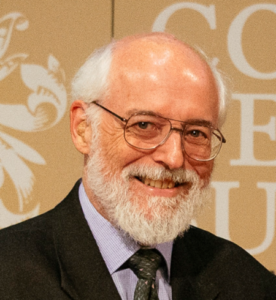
Paul McMullin is an internationally recognized specialist in poultry health and production and a European diplomate in poultry veterinary science. After qualifying as a veterinarian in Dublin, he worked in Brazil for 12 years before returning to the UK. He joined the in-house veterinary practice of the Hillsdown Group in 1992 and led a management buyout in 2002 to form Poultry Health Services, a leading poultry practice in the UK. He also holds an MSc in Livestock Health and Production from the Royal Veterinary College and acted as veterinary consultant to the British Egg Industry Council for around 14 years. He sold PHS in 2014 and retired from full-time veterinary practice in 2017. He continued to act as a scientific consultant to industry bodies, poultry companies, and the pharmaceutical industry, and still participates in, and presents, at relevant scientific meetings while supporting some organisations with their web-site development and maintenance.
Dr. Dennis N. Makau
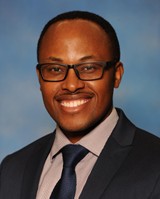
Dr. Dennis N. Makau is an epidemiologist whose work focuses on integrating genomics, epidemiology, and data science to understand and anticipate disease risks across animal and human health systems. He is an Assistant Professor in the Department of Biomedical and Diagnostic Sciences at the University of Tennessee, Knoxville. Dr. Makau leads the Population and Epidemiology Data Innovation Lab (PEDIL), where his research combines genomic data, epidemiological modeling, and predictive analytics to strengthen disease surveillance and support data-driven decision-making in health systems. Through collaborations across Africa, Asia, and North America, his work advances scalable approaches to improving livestock health, strengthening zoonotic disease surveillance, and building more resilient One Health systems capable of proactive, data-driven responses to emerging disease threats.”
Dr. Patrick Waweru Kamundia
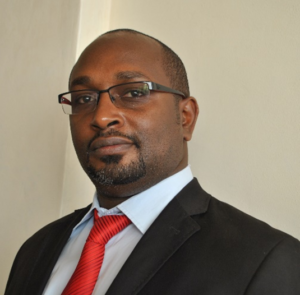
Dr. Patrick Waweru Kamundia is a Lecturer, researcher, and mentor in the Department of Animal Health and Production at Maasai Mara University, Kenya, with a career dedicated to advancing veterinary science and aquatic animal health. He holds a Bachelor of Veterinary Medicine and a Master of Science in Fish Science, and a PhD in Pathology, Microbiology, and Parasitology. His expertise spans aquatic pathobiology, antimicrobial resistance, ecotoxicology, and the promotion of robust science and research ethics. Dr. Kamundia is committed to applying the One Health approach through his teaching, his leadership on the University’s Science and Research Ethics Committee, and his contributions to national technical working groups. Beyond the university, he integrates his professional knowledge with practical experience as a farmer, bridging the gap between academic research and grassroots application in livestock and fisheries management.
David Mworia
David Mworia is an Operations Manager at Sanergy Limited with over five years of experience in Black Soldier Fly (BSF) farming. His work focuses on translating circular economy principles into practical, large-scale operations by converting organic waste into sustainable agricultural inputs, while developing operational frameworks that support the growth and commercialisation of the BSF sector.
Dr. Pauline Gitonga

Dr. Pauline Gitonga is a veterinarian and dryland one health systems researcher with over 15 years of experience and serves as the Managing Director of ASAL eXtension Limited. Her work applies rangeland mapping and participatory disease surveillance approaches to inform climate-smart livestock systems, strengthen veterinary service delivery, and support zoonotic disease surveillance and response. She has conducted numerous technical consultancies with organisations including WOAH, FAO, AU-IBAR, IGAD, Zoetis, Concern Worldwide, and ACTED. She also coordinated a five-year Defense Threat Reduction Agency (DTRA)-funded project on laboratory capacity building for zoonotic disease risk mitigation in Kenya, including capacity building for frontline human and animal health workers. She is affiliated with the Centre for Epidemiological Modelling and Analysis (CEMA), University of Nairobi, and the Department of Biomedical Sciences, Colorado State University.
Dr. Sam Owilly, B.Vet Med (UoN), MBA (Strathmore University)
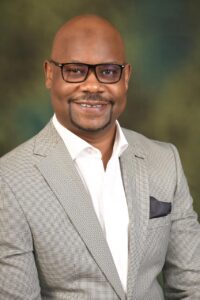
Dr. Sam Owilly is a practitioner in International Development with over 18 years’ experience advancing climate resilience, economic inclusion and community development programs across the drylands of Africa. Dr Owilly holds a Bachelor of Veterinary Medicine from University of Nairobi, an MBA from Strathmore Business School, training in Climate Change and Adaptation, Project Planning and Management and is a Perennial Fellow. Dr Owilly brings a rare combination of scientific grounding and strategic leadership to complex development challenges with a particular focus in Designing and Implementing Impactful development programs, Resource Mobilization, Strategic Partnerships, Negotiations and Bargaining, Competitive Strategy and Game Theory. He has a strong track record of mobilizing significant multi-donor funding across governments, multilateral and bilateral institutions, and philanthropic foundations including GoK, WB, USAID, UKAID/FCDO, IKEA F among others.
Eddy Geoffrey Mosoti Mogoa
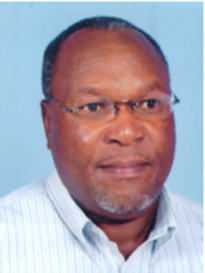
Eddy Geoffrey Mosoti Mogoa obtained his Bachelor of Veterinary Medicine in 1986 and Master of Science in Clinical Studies in 1990 from the University of Nairobi. He obtained his Doctor of Philosophy degree in Veterinary Surgery, specializing in Veterinary Anaesthesiology from the University of Pretoria, South Africa in 1999. He has been a staff member at the Department of Clinical Studies, Faculty of Veterinary Medicine, University of Nairobi, since 1988. At the moment, he is an Associate Professor in Veterinary Surgery where he is involved in training both undergraduate and postgraduate students in Veterinary Science, Wildlife Health and Management / Wildlife Management and Conservation, Biomedical Science; undertaking research; and offering consultancy services in various areas in the livestock industry / animal health sector. He is also involved in supervision of undergraduate student projects, Masters and Doctorate students. He has carried out research and published more than 50 papers in various local and international journals, and presented more than 70 papers (authored by self and / or with colleagues) in various conferences / workshops. These presentations have been on anaesthesia, pain management, disaster preparedness and mitigation, veterinary education, animal welfare, One Health, livestock policy issues, zoonoses, among others.
Jane Wangui Kariuki
Jane wangui Kariuki is a quality assurance professional in the beekeeping sector with a Bsc in analytical chemistry. She has vast experience in quality assurance and value addition of bee products having been in the sector for 14 years. Her focus mainly is making sure the bee products meet the established quality and safety standards through laboratory analysis and proper processing practices while also supporting the development of honey, propolis, bee venom, royal jelly, beeswax and pollen into high- value products for health, cosmetic and nutraceutical markets. She supports training of beekeepers and processors on good harvesting, handling and value addition practices to enhance product quality and market competitiveness.
Dr. Thomas Odera Owino
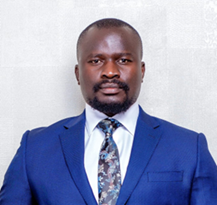
Dr. Odera Owino is a veterinary surgeon and livestock production specialist with over 18 years of experience advancing commercially competitive, investment‑ready beef enterprises across East Africa. He has led and advised high‑performance feedlot operations—including a fully integrated 3,000‑head facility—where he strengthened nutrition strategies, herd health systems, feed milling operations, and market‑driven production efficiencies. Dr. Owino holds a Bachelor of Veterinary Medicine (BVM) and a Master of Science in Livestock Production Systems from the University of Nairobi, alongside a Master of Management in Agribusiness from Strathmore University; he is also a registered veterinary surgeon and active member of the Kenya Veterinary Board (KVB) and the Kenya Veterinary Association (KVA). His areas of expertise include commercial feedlot design and advisory, preventative herd health in high‑density fattening systems, traceability and animal welfare standards, advanced beef genetics through fixed‑time artificial insemination, and the development of agribusiness financial models and market‑linkage systems. A former Kenya National Rugby Team player, Dr. Owino brings a unique blend of discipline, strategic thinking, and industry insight to modern livestock agribusiness and beef value‑chain transformation.
Dr. Daniel G. Muchendu
Dr Daniel G. Muchendu is veterinary Surgeon and experienced poultry health specialist with over 15 years in animal health and commercial leadership across East Africa, currently serving as Key Accounts Manager – Poultry at CEVA Sante Animale. He has received advanced training in poultry production from the University of Luxembourg, complementing his Bachelor of Veterinary Medicine and ongoing MBA in Strategic Management. Representing CEVA, the global leader in poultry vaccination—renowned for its innovations in hatchery vaccination, immune complex vaccines, and vectorised vaccine technologies—he works closely with hatcheries and large-scale poultry producers to implement advanced vaccination programs and optimize flock health. His key areas of focus include poultry disease control, vaccination strategy, hatchery health management, and translating scientific knowledge into practical, high-impact solutions that enhance productivity and sustainability in the poultry industry.”
Dr. Bitsu Kiflu Mekete
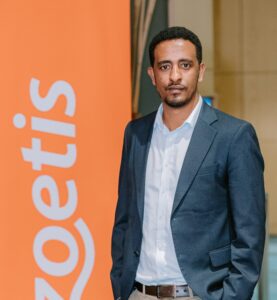
Dr. Bitsu Kiflu Mekete is a veterinarian from Ethiopia with over a decade of experience across public and private sectors. He holds a DVM from Hawassa University and an MVPH from Jimma University.
He currently works at Zoetis as the Medical Lead–Ruminants for North, West, and East Africa, serving as the primary technical, scientific, and strategic expert for the ruminant portfolio and providing regional technical leadership, training, and stakeholder support. >
Across Sub‑Saharan Africa, Dr. Bitsu has lead initiatives on udder health and mastitis management, including training on mastitis prevention, dry‑cow management, rational antimicrobial use, and sustainable dairy productivity.
Dr Joe Collins MVB PhD CBiol CSci FRSB MRCVS CertEP CertVR
Chief Veterinary Advisor, The Donkey Sanctuary
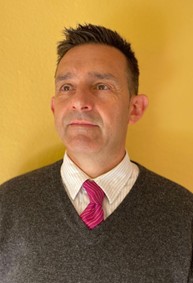
Joe graduated as a veterinary surgeon from University College Dublin in 1987. Following seven years in private veterinary practice he spend three years at Cambridge University Veterinary School as an equine clinical resident. Thereafter he returned to private equine practice before completing a PhD titled ‘Equine Health and Welfare in Ireland’, working in the veterinary pharmaceutical industry and conducting a research project regarding donkeys in Ireland. He is currently President of FEEVA – the Federation of European Equine Veterinary Associations.
Joe has travelled extensively on behalf of TDS and other organisations to:
- Conduct workshops and present on equine welfare and working equids in Kenya, Tanzania, Egypt, S Africa, Mexico, India, S. Korea, China, US, and across Europe.
- Visit donkey farms and ejiao producers in China.
Dr. Robert Aruho
Dr. Robert Aruho is the Head of Mount Kenya Wildlife Conservancy where he is leading the reintroduction of Mountain Bongo in partnership with Kenya Wildlife Service. He holds a Master’s degree in International Animal Health from the University of Edinburgh and a Bachelor’s degree in Veterinary Medicine from Makerere University. He is a member of the IUCN Species Survival Commission Antelope, Pangolin, Giraffe and Okapi Specialist Groups.
Joel W. Ochieng, PhD
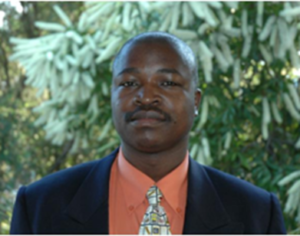
Programme Leader, Agricultural Biotechnology, University of Nairobi
Joel Ochieng is a biotechnology, biosafety and food security expert involved in training, research, product development and policy formulation. He is currently the Programme Leader, Agricultural Biotechnology, University of Nairobi, and Secretary General for the Kenya University Biotechnology Consortium (KUBICO), a guild of biotechnology experts in Kenya using biotech approaches and innovations for improvement in agriculture, health and the environment. Joel completed PhD in Genetics & Applied Biotechnology in 2010 at Southern Cross University/University of New England, Northern Rivers, Australia. His current research focuses on application of genetic engineering and a range of other biotechnologies to accelerate agricultural productivity and improve food and feed safety, Biosafety and Biotechnology Stewardship, National Food Security Analysis, and enhancing the enabling agricultural policy environment for remunerative agriculture. The programme currently hosts two Fulbright Scholars on secondment, two local Postdoctoral Fellows, and seven PhD students working on various crop and animal genetic engineering, conservation and agricultural policy projects.
This conference provides an opportunity to converse with the public on the research, development and benefits of genetically engineered crops and livestock; and to address concerns on safety and socioeconomics of the technology. The theme of the conference complements his focus on outcomes that align with climate change and resilience, applying biotechnology to improve food and nutritional security, mitigate footprints of agricultural practices and climate change, and to invigorate public education for an enhanced understanding on biotechnology and risk mitigation, within the one-health framework. With the veterinary professionals, we will converse on how best to manage modern biotechnology products for the benefit of Kenya, especially as many of these products head to commercialization.
Dr. Lilyan Mathai BVM, MVetSurg
Dr. Lilyan Mathai is a veterinary surgeon with over a decade of experience in small animal medicine and surgery. She graduated from the University of Nairobi with a Bachelor of Veterinary Medicine in 2010 and a Master of Veterinary Surgery in 2015 and is currently pursuing a PhD in Veterinary Surgery.
Her clinical and academic work has a strong focus on diagnostic imaging, with particular emphasis on advancing the use of ultrasound in small animal practice in Kenya. Through this work, she has contributed to improving diagnostic accuracy and enhancing patient outcomes in the region.
Dr. Mathai is a Certified Cat Friendly Veterinarian accredited by the American Association of Feline Practitioners and holds further certification in veterinary practice management. Her contributions to the profession have been acknowledged through multiple honours, including a nomination for Clinician of the Year (2017), the Colin F. Burrows International Scholarship (WSAVA, 2018), a Royal Canin Small Animal Nutrition Ambassadorship (2018), and her selection as a USDA Faculty Exchange Scholar (2018). She has also been recognised as a Vet of the Year nominee.
Her academic and clinical interests centre on strengthening standards of care in small animal practice through evidence-based diagnostic imaging. She is also actively engaged in mentoring and advocating for mental well-being within the veterinary profession.
Dr. Michael Powell BVSc (Hons)
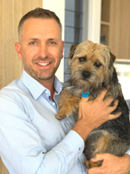
Michael Powell is a veterinarian, business thought-leader and a co-director at Lincoln Institute of Veterinary Business. A practitioner with over 30 years experience and a former owner of a multiple award-winning ASAV Hospital of Excellence, Michael’s professional passion and focus now lies in provision of empowering education and support of veterinary professionals around the world. Since 2011, his company has been shaping an even brighter future for the veterinary industry through evidence-based training and support. Michael is a researcher, industry advocate and highly regarded international speaker on the subjects non-technical competency development, organizational leadership and strategic business management.
Dr. Victor Yamo
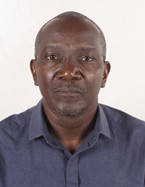
Dr. Victor Yamo is a University of Nairobi trained Veterinary Surgeon who has spent the better part of his career spanning over three decades within the animal production and the global food systems arena. He is a consummate animal welfare and one health practitioner who has worked across various sectors from corporate entities to governmental agencies and public benefit organizations. Throughout his distinguished career, his work has continued to extend beyond the confines of traditional veterinary practice, delving into the intricate interplay between animal welfare, animal health, public health and environmental sustainability. He continues to be at the forefront of initiatives aimed at enhancing the well-being of farmed animals while simultaneously safeguarding public health, ensuring environmental sustainability and promoting food security and livelihoods for producers.
He is the founder and current Executive Director of Global One Health Advocacy Alliance (GOHAA), part time lecturer for Animal Welfare, Ethics and Law at Jomo Kenyatta University of Agriculture & Technology (JKUAT), Member of the Poultry Sector Skills Advisory committee of the Technical and Vocational Education Training (TVET) Curriculum Development, Assessment and Certification Council (CDACC) of Kenya and Councilor for Kenya to the Commonwealth Veterinary Association (CVA).
He is a member of the Kenya Veterinary Association (KVA) and Kenya Institute of Management (KIM). He is a past Chairman of the Kenya Veterinary Board (KVB) and the professional association (KVA) and last year (2025) he was named the Veterinarian of the Year.
Professor Thumbi Ndung’u
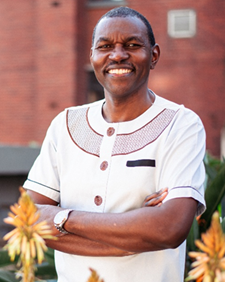
Thumbi Ndung’u is Director of Science at the Africa Health Research Institute (AHRI) in Durban, South Africa; Professor of Infectious Diseases at University College London; Scientific Director, Professor and Victor Daitz Chair at the HIV Pathogenesis Programme of the University of KwaZulu-Natal; Provost’s Visiting Professor of HIV Virology and Immunology at Imperial College London; Programme Director for the Sub-Saharan African Network for TB/HIV Research Excellence (SANTHE); Associate Member of the Ragon Institute; and Adjunct Professor of Immunology and Infectious Diseases at Harvard T.H. Chan School of Public Health.
He graduated with a Bachelor of Veterinary Medicine degree from the University of Nairobi, Kenya, completed a PhD in Biological Sciences in Public Health from Harvard University, USA and performed post-doctoral research in Virology at Harvard Medical School. He has received several awards for scientific excellence and leadership contributions, including the South African Medical Research Council Gold Scientific Achievement Award, the Leadership Award in Public Health Practice from the Harvard T. H. Chan School of Public Health, and the KT Jeang Retrovirology Prize in recognition of outstanding work on HIV. He is a member of the Academy of Science of South Africa, a fellow of the African Academy of Sciences and a member of the United States National Academy of Medicine. His research focuses on understanding interactions between HIV and the immune system and how these may be harnessed and translated for HIV prevention or cure.
Dr. Willy Mwangi
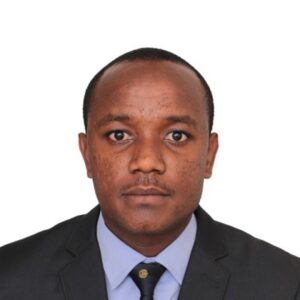
Dr. Willy Mwangi is a trained veterinarian and specialist in small animal surgery. He is a faculty member at the University of Nairobi, Faculty of Veterinary Medicine, where he teaches small animal surgery, and also serves as a consultant surgeon at the University of Nairobi Small Animal Hospital.
He is a founding member of the Kenya College of Consultant Veterinary Surgeons, established in 2022. Dr. Mwangi has a strong professional interest in both orthopedic and soft tissue surgery, with a particular fascination to the biology of tissue regeneration and healing.
Beyond clinical practice, he is deeply committed to mentorship and capacity building. He founded and leads AO Vet Kenya, an initiative that delivers high-level, hands-on training in a wide range of small animal orthopedic procedures.
Dr. Mwangi has published widely and regularly delivers lectures both locally and internationally. Outside of his professional work, he enjoys football, swimming, and hiking.
Dr. Apollo G. Mirera
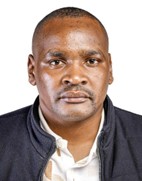
Dr. Apollo G. Mirera, BVM (UoN), is the Day Old Chicks Sales Manager at Kenchic Plc. A specialist in poultry health and production, Dr. Apollo blends clinical mastery in disease management with commercial strategy. He is a strong advocate for stakeholder education, viewing animal health as a primary pillar for achieving regional food security and economic growth.
Dr. Michael Mahero
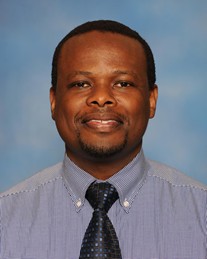
Mahero Michael DVM MPH PhD DACVPM
mmahero@utk.edu
Dr. Michael Mahero is a board-certified public health and preventive medicine veterinarian and tenure-track faculty member at the University of Tennessee College of Veterinary Medicine (UTCVM). He serves as an infectious disease epidemiologist and chairs the UTCVM Veterinary Teaching Hospital Infection Control Committee.
His core expertise involves epidemiological modeling, combining quantitative and qualitative tools to assess the drivers of risk behaviors and their influence on the micro-epidemiology of multi-host infections. Additionally, he applies a One Health (OH) approach to lead multidisciplinary teams and collaboratively translate research into policy.
He previously served as Director of the Veterinary Public Health and Preventive Medicine Residency-University of Minnesota and worked as a technical advisor for the USAID-funded Emerging Pandemic Threats program, building capacity for infectious disease control across Africa and Southeast Asia. He is a recipient of the NIH Fogarty Global Health Fellowship and serves on the public policy committee of the American Public Health Association’s OH Section.
Dr. Laura Wessman

Dr. Laura Wessman is a veterinary surgeon and Board Member of the Raptor Rehabilitation Trust Kenya, working at the intersection of clinical medicine, wildlife conservation, and public health. She holds a DVM from Finland and an MVetSci in Conservation Medicine from the University of Edinburgh, complemented by advanced training in raptor orthopaedics, avian abdominal surgery, shelter medicine and a Professional Master in Avian Medicine and Surgery.
Her research spans rehabilitation and shelter medicine, animal welfare, raptor and wildlife medicine and antimicrobial resistance. Current projects focus on avian conservation, human-wildlife interface management, and building raptor medicine capacity across East Africa.
With a career dedicated to bridging veterinary science and ecosystem health, Dr. Wessman is an advocate of advancing raptor medicine in the region. She has lived in East Africa most of her life and is additionally involved in rabies eradication projects and giraffe conservation.
EZRA ONYANGO
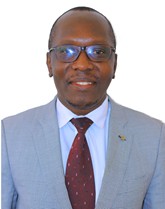
Ezra O. Onyango is a Kenyan apiculture specialist and Deputy Principal at the National Beekeeping Institute, Lenana, with extensive experience in apiculture training and research within the livestock and agricultural sectors. He plays a key role in strengthening Kenya’s apiculture niche value chain through capacity building of farmers, students, and extension officers, with a strong emphasis on productivity, bee colony management and quality assurance in bee production systems.
In his institutional role, he supports curriculum development and practical training programmes that align apiculture with emerging livestock value chain priorities, including animal health, pollination services, and sustainable ecosystem management. He actively collaborates with government agencies, research institutions, and private sector stakeholders to promote modern beekeeping technologies and improve standards across honey and other bee products.
His work demonstrates the intersection between apiculture and veterinary science, particularly in bee health management, biosecurity, and disease prevention. He advocates for integrating apiculture into broader livestock health frameworks and positioning it as a high-value niche enterprise within Kenya’s agricultural transformation agenda.
Dr. Ndurumo M. Stephen
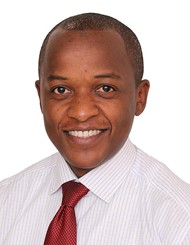
Dr. Ndurumo M Stephen is a veterinary professional for over twenty years. Having a Bachelor’s degree in Veterinary Medicine and a Masters degree in Veterinary Surgery, he has been in several fields of academia, veterinary practice and management in his long career both in the country and globally.
With his interest in new fields in academia and practice, he specialised in canine and equine dentistry studies after graduation to elevate the scope for veterinary dentistry locally. During this period he enjoyed teaching and shaping new graduates in the profession.
Taking advantage of the diversity in veterinary training, he had a career spanning ten years in private security management and product development before retiring and setting up Small Animal practice in Nairobi.
Seeing the veterinary profession grow by improvement of professional welfare and recognition, and mentorship are areas that are close to his heart. With the changing global trends, he is an intentional advocate for change in the veterinary profession in Kenya to ensure its robustness to be future proof.
Dr. Mohamed Hassan S.
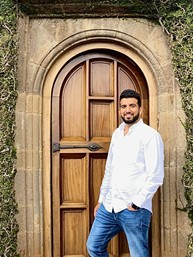
I am a veterinarian with a deep-seated commitment to advancing surgical standards and clinical education in Kenya. My journey began at the University of Nairobi, where I earned my Bachelor of Veterinary Medicine (BVM) in 2013. Driven by a particular interest in advanced diagnostics and surgical intervention, I went on to specialize further, obtaining my Master of Veterinary Surgery (MVetSurg). My master’s thesis allowed me to dive deep into the world of equine radiology, a field that remains a cornerstone of my professional life.
Since 2013, I have worked as a mixed animal practitioner, which has allowed me to cultivate a truly diverse skillset. On any given day at my clinic in Nakuru – where I serve as one of the Directors – you might find me treating domestic cats and dogs, or managing the unique needs of birds and exotic reptiles. However, my true passion has always been with horses.
Beyond the clinic, I am honored to help shape the next generation of veterinarians as a Lecturer at Egerton University. I work closely with third, fourth, and fifth-year students, leading both their surgery lectures and their hands-on clinical practicals.
For me, the most rewarding part of my career is being able to bridge the gap between the classroom and the operating theater, ensuring our future surgeons have the practical grit they need to succeed.
Martin Kiogora Mwirigi, PhD
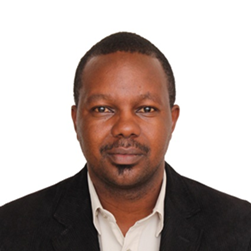
Dr. Kiogora is a Senior Chief Research Scientist at the Kenya Agricultural and Livestock Research Organization (KALRO) and serves as the Director of the Biotechnology Research Institute. He holds a BSc in Biochemistry and Chemistry, an MSc in Applied Parasitology, and a PhD in Applied Parasitology (Immunology) from the University of Nairobi.
With over 20 years of research experience, Dr. Kiogora is a Principal Investigator on projects focused on developing vaccines and diagnostic tools for livestock diseases using modern biotechnology approaches, including molecular techniques. He is also actively involved in crop biotechnology, particularly the TELA maize project aimed at developing insect-resistant varieties. In addition, he serves as an Associate Editor of the East African Agricultural and Forestry Journal.
Dr. Kiogora has previously worked as a Visiting Scientist at the International Livestock Research Institute (ILRI)–BeCA Hub and at the Vaccine and Infectious Disease Organization–International Vaccine Centre (VIDO) in Canada.
He is passionate about food safety and currently chairs the Biotechnology Technical Committee at KEBS and the Agriculture and Biotechnology Technical Committee of ARSO. He has also served on PAC University’s Governing Council and Board of Trustees.
Email: Martin.Mwirigi@kalro.org or kiogoramk@yahoo.com
Tel: +254 722 235524
Dr. Greg Onyango
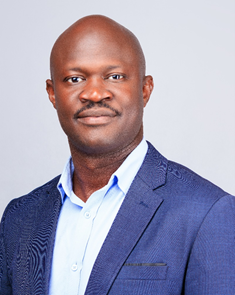
Dr. Greg Onyango is a veterinarian with over a decade of experience in animal breeding and applied reproductive technologies. He holds a Bachelor of Veterinary Medicine from the University of Nairobi and a Master of Biotechnology of Assisted Reproductive Techniques and Embryology from the University of Valencia, Spain. He also holds a MicroMBA Certification from Strathmore University.
He has previously served as a bovine embryo transfer specialist in two pioneering IVF-ET laboratories in Kenya and Uganda, and as a Bovine Reproduction Specialist at Nbryo Pty Ltd in Queensland, Australia.
Currently, Dr. Onyango is the Country Lead for Kenya at Urus Group LP, where he leads a team of highly skilled professionals implementing the Urus Bovine Genetics Market Development Program, a project funded by the Bill & Melinda Gates Foundation. This initiative focuses on accelerating genetic improvement and enhancing the productivity of dairy and beef cattle across Kenya by facilitating access to high-quality semen and embryos for small-, medium-, and large-scale farmers.
Dr. Onyango is deeply passionate about leveraging assisted reproductive technologies to improve livestock productivity and contribute to sustainable food security.
Dr Noel Aineplan
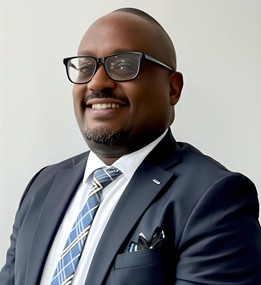
Improving access to quality RU vaccines via Better regulation
Organisation: Senior Manager at Better Regulation, GALVmed
Dr. Noel Mategyero Aineplan is a regulatory science expert specializing in veterinary medicines regulation, with extensive experience in policy development, regulatory harmonization, and international collaboration. He currently serves as Senior Manager for Better Regulation at GALVmed and previously held senior positions at the Uganda National Drug Authority, where he contributed significantly to advancing regional regulatory initiatives within the East African Community (EAC) and other international initiatives. Trained in veterinary medicine, he also holds advanced degrees in International Animal Health and Quality Management, and is a certified Project Management Professional (PMP).
Prof Mohamed Fawzy Mandour
Leveraging PPPs to Scale Up Ruminant Vaccination: Lessons from Egypt’s FMD Success
Organisation: Professor of Virology and Immunology at the Faculty of Veterinary Medicine, Suez Canal University
Prof. Mohamed Fawzy holds a Ph.D. and serves as a Professor of Virology and Immunology at the Faculty of Veterinary Medicine, Suez Canal University. A prolific researcher, he has authored 52 scientific articles in virology, immunology, and vaccinology, boasting an H-Index of 17. Dr. Fawzy holds a Diploma in One Health from Duke University, North Carolina, USA, and a Diploma in Vaccinology from Geneva University, Switzerland, and Fondation Merieux, Lyon, France. He has completed numerous vaccinology courses across Africa, Asia, and Europe. His commitment to global health is further demonstrated by his participation in many international conferences (including in USA, UK, Spain, France, Portugal, Italy, Turkey, Tanzania, Nigeria, South Africa, Uganda, India, Thailand, South Korea, Oman, Vietnam, and Argentina) and several national conferences in Egypt.
Dr Enrique Pando
Increasing RU vaccine coverage – Making Market Systems Functional
Organisation: Executive Director of Commercial Development & Impact at GALVmed
Enrique Hernández Pando is the Executive Director of Commercial Development & Impact at GALVmed. Enrique brings over two decades of leadership experience in the global animal health industry, with deep expertise in commercial strategy, market development, and expanding access to veterinary health solutions in African markets. Prior to joining GALVmed, he held senior leadership roles with Merial and Boehringer Ingelheim, including leading the business for these two companies in Africa. Throughout his career, Enrique has championed innovative partnerships and sustainable commercial models to improve livestock health and productivity across developing markets. Enrique is a livestock vet and cattle farmer as well.
Prof Ahmad Al Majali
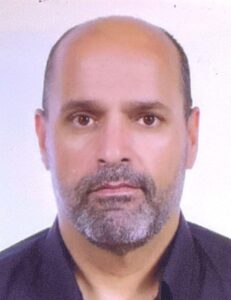
Small ruminant combo
Organisation: Jordan Bio Industries (JOVAC) / Professor of Epidemiology and Infectious Diseases at the Jordan University of Science and Technology
Prof. Ahmad Al-Majali is Professor of Epidemiology and Infectious Diseases at the Jordan University of Science and Technology. He holds a DVM from JUST and a PhD from Purdue University, USA. With over 20 years of experience in veterinary epidemiology and animal health, he has authored more than 70 scientific publications and currently serves as WOAH Regional Representative for the Middle East (since August 2024).
Dr Surajit Baksi
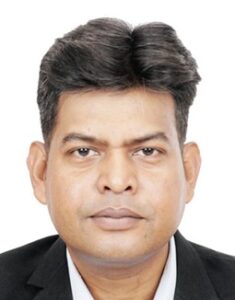
Small ruminant combo
Organisation: Associate Vice President of Technical Services – Hester Biosciences Ltd
Dr. Surajit Baksi is a renowned veterinarian specializing in poultry and animal science, with over 25 years of extensive experience. He earned his Bachelor’s degree in Veterinary Science from the West Bengal University of Animal and Fishery Sciences, Kolkata, India, Master’s degree in Veterinary Microbiology, and Ph.D. in Veterinary Microbiology from the same university. Dr. Baksi has vast experience in research, quality control, quality assurance, and technical services in the poultry and livestock industry. He is a well-known veterinary doctor and technical expert. Deeply involved in research, he has published 70 research papers in national and international journals. He is a Fellow of the Society of Environmental Sciences (F.S.E.Sc.) and the Society for Sciences (F.S.Sc.). He has contributed to the development of many new products, as well as training programs and audits in the poultry and animal health industry. Additionally, he is a professional member of 25 different scientific societies engaged in research and development in the animal health sector.
Dr Taha Hamratou
Large ruminant combo
Organisation: Sales Director at MCI Santé Animale
Dr. Taha Hamratou is a veterinarian and Sales Director at MCI Santé Animale, with extensive expertise in large animal health and ruminant production systems. He serves as Sales Director, where he oversees commercial strategy, market development, and stakeholder partnerships. He remains deeply committed to connecting technical expertise with field-level impact, with a particular focus on vaccination strategies and disease control programs. His areas of professional interest include infectious disease management in ruminants, vaccination protocols, and the optimization of herd health programs under field conditions.
Dr VM Chariar
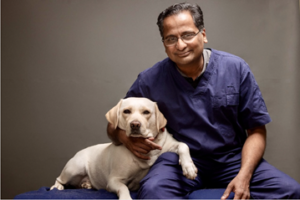
Dr VM Chariar runs Two Purpose-built Speciality Hospitals in the Mumbai Region. Pioneering work in Surgical Technology, Endoscopy, Laparoscopy, Orthopedics shaped or Mission to enable each patient and professional to access the value of Finest Surgical care, Orthopaedic Repair, Minimal Access Surgery And Reconstructive Surgery.
Dr Chariar’s International Fellowships & Training includes Orthopedics at Purdue University, Joint Surgery at GCVS, Houston, Minimal Access Surgery at Utrecht University, THR Fellowship at Moscow, Russia. Dr Chariar has been bestowed ECVS Young Surgeon Scholarship, Exchange Professor at Purdue University, USA and Invited to 35 University Surgical Workshops in India as Key Faculty.
Dr Chariar bagged two University Gold Medals and established Twin Limca National records in Laparoscopic Surgery. Dr Chariar has Guided Six University Masters students in Surgical Research Dissertations and has Published Six International Scientific Publications and 30 Indian Scientific Publications.
Dr. Ambrose Kipyegon Ngeno
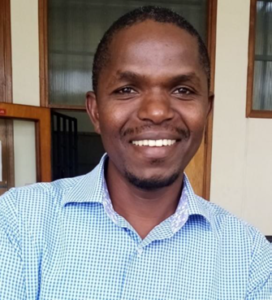
Dr. Ambrose Kipyegon Ngeno is a Veterinary Surgeon and Senior Lecturer in the Department of Clinical Studies at the University of Nairobi, with over 15 years of teaching and research. A specialist in theriogenology, he holds a PhD in Clinical Studies and has published widely, with particular involvement in animal reproduction, including assisted reproduction and reproductive diagnostics. He is a registered practitioner with the Kenya Veterinary Board and a current honorary secretary of the Kenya Veterinary Association.
Dr. Raphael Kinoti
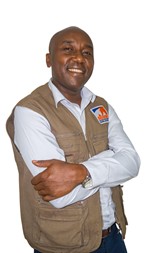
Dr. Raphael Kinoti is a seasoned expert in livestock production and veterinary medicine with over two decades of experience spanning animal welfare, biodiversity conservation, environmental stewardship, and community development. He has worked extensively with both national and international NGOs, contributing to initiatives that integrate sustainable natural resource management with climate change resilience. He has contributed to the design and implementation of strategies that protect biodiversity, particularly in remote and vulnerable ecosystems, while also supporting peacebuilding and conflict management efforts linked to environmental sustainability. Dr. Kinoti is a strong advocate for women’s empowerment, youth engagement, and sustainable agriculture. He has led programs that have enhanced the capacity of thousands of women and young people across diverse communities. He currently serves as Regional Director at Brooke East Africa, where he provides strategic leadership to promote animal welfare and sustainable livelihoods across the region.
Dr. James Mutiiria Kithuka
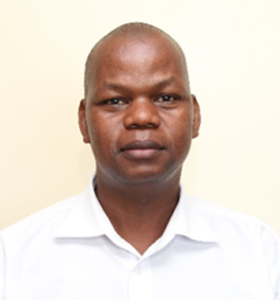
Dr. James Mutiiria Kithuka is a seasoned veterinarian with over two decades of experience in animal health, welfare, and livestock-based livelihood development across East and Southern Africa. He currently serves as a Programme Coordination and Quality Assurance Advisor at Brooke East Africa, where he leads capacity building, mentoring frameworks, and regional animal health initiatives. His expertise spans animal welfare, veterinary public health, project management, monitoring and evaluation, and stakeholder engagement. Dr. Kithuka is also a dedicated educator and mentor, contributing to the growth of animal health professionals. His work focuses on improving animal welfare, strengthening veterinary systems, and advancing One Health approaches to enhance sustainable community resilience.
Dr. Krishna Kesharia

Dr. Krishna Kesharia is a small animal veterinarian and practice owner based in Nairobi, Kenya. She is the founder of Dr. Krishna Veterinary Clinic and Tails of the City, an integrated pet care facility that combines clinical medicine with nutrition, rehabilitation, training, and community engagement.
Her work extends beyond traditional veterinary practice, integrating medicine with nutrition, hydrotherapy, and behavior to deliver a more holistic and multidisciplinary approach to patient care.
Dr. Krishna is passionate about advancing veterinary standards in emerging markets and is focused on building scalable, high-quality systems that combine medical excellence with client education and community-driven care
Fred Ochieng’
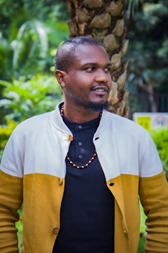
Fred Ochieng’ is a dedicated Counselling Psychologist and Programs Officer at Mental360, a leading mental health organization in Kenya. With a strong background in facilitating mental health interventions and educational curriculum development.
His expertise lies in bridging the gap between clinical psychology and community-based psychosocial support, focusing on building resilience and “Inner Strength” within underserved populations.
Dr. Sophie Masika

Dr. Masika Sophie is the Global Health Policy Manager at the World Federation for Animals (WFA), where she leads high-level policy engagement across the food–health–environment nexus. She has served at an advisory role on global processes such as the WHO Pandemic Agreement, the UNGA Political Declaration on AMR, the FAO Resolution on AMR in agrifood systems, WOAH’s animal welfare standards, and UNEP’s One Health integration into environmental governance.
She serves on the Steering Committee of the Quadripartite-led AMR Multi-Stakeholder Partnership Platform. In addition, she is an Advisory Committee member of the Alliance for Human and Animal Co-Existence (AHAC), an e-trainer with FAO on Women’s Leadership in One Health, and an alumna of the Gates Foundation’s WomenLift Health Fellowship.
Michael Mwang’ombe
Marine Mammal Research and Conservation: Insights from Kenyan Waters.
Michael Mwang’ombe is a marine mammal scientist with over 10 years of experience in marine conservation, research, and community-based resource management along the Kenyan coast. He has worked with the Kenya Marine Mammal Research and Conservation (KMMREC) since 2015, where he leads multidisciplinary programs in marine mammal research, community engagement, and marine mammal welfare. His work integrates scientific research with applied conservation, with a strong focus on marine mammal stranding response and disentanglement.
Michael has played a key role in strengthening national response capacity by supporting the development and coordination of Kenya’s marine mammal stranding network, enabling rapid and effective responses to marine mammal incidents. He is also a co-developer of the Kenya Marine Mammal Network, a citizen science initiative that combines local ecological knowledge with scientific monitoring to improve marine mammal data collection and surveillance.”